Who Gives The Most Cash For Junk Cars
|
|
Contents
Compare Your Junk Car Selling Options
Salvaging: Best Value for Most Cars
Junking: Moderate Effort, Lower Payout
DIY (Parting It Out): Most Effort, High Reward
Wheels Away: an approved broker
FAQs
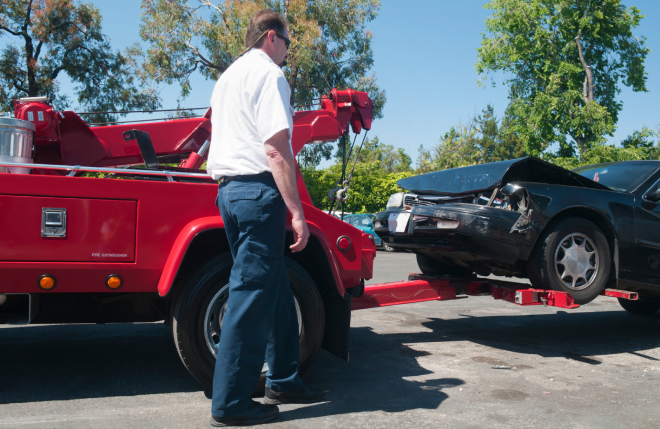
Are you searching for the best way to get the most cash for your junk car? The answer depends on your car’s condition and how much time and effort you’re willing to invest. Generally, selling to a buyer who can repair or reuse parts can yield a higher payout than simply junking it or parting it out yourself. This process is called salvaging. But each option comes with its own trade-offs in value, effort, and time.
You have four main routes to consider:
- Salvaging: Sell to a buyer who may repair and resell the car.
- Junking: Sell to a local junkyard for scrap metal value.
- DIY (Parting It Out): Remove and sell valuable parts yourself.
- Approved Broker: Handles everything–quotes, paperwork and pickup.
As an approved broker, we buy cars for both salvage and junk, offering a fast, convenient, and fair process. Below, we’ll break down what to expect from each option so you can choose what fits your needs best.
Compare Your Junk Car Selling Options
| BUYER | EFFORT | VALUE | TIME | NOTES |
|---|---|---|---|---|
| Private Party Buyer | High | Moderate | Slow (weeks-months) | Requires advertising, follow-up, negotiations, marketplace and shipping fees. |
| Local Junkyard | Moderate | Low | Varies (days-weeks) | Requires calling around, negotiations, potential low-ball prices and hidden fees. |
| Parting It Out | Very High | High | Very slow (months) | Requires removing, storing, negotiations and transporting, or listing, follow-up, shipping and marketplace fees. |
| Wheels Away (Approved Broker) | Low | Moderate | Fast (1-2 days) | Transparent, competitive prices, handles paperwork and FREE towing. |
Salvaging: Best Value for Most Cars
Selling your car for salvage can bring a higher payout if it’s repairable or has valuable components. Salvage buyers are interested in fixing and reselling the car or parting it out, so offers can be higher than junk value.
However, selling to a salvage yard yourself can mean:
- Researching and contacting multiple buyers for quotes
- Coordinating your own towing or delivery
- Handling paperwork and title transfer on your own
- Waiting for payment, which may not be immediate
- Potential for haggling or unexpected deductions at pickup
Junking: Moderate Effort, Lower Payout
Junking your car means selling it for its scrap metal value, and while figuring out which junkyard pays the most usually involves contacting several local yards or scrap buyers, the difference between quotes is surprisingly small, typically just $20 to $50. These price differences are because of factors like transportation costs, demand, and yard competition. The process is straightforward, but since the payout is based purely on weight and current scrap metal prices, it’s typically lower.
Cons of selling to a local junkyard yourself:
- Calling multiple yards to find out who gives the most money
- If it’s damaged repeatedly explaining the car’s condition
- Arranging transportation if the car isn’t driveable
- Completing all paperwork and title transfer
- Some yards may charge hidden fees or negotiate price at pickup
- Payment may not be instant

DIY (Parting It Out): Most Effort, High Reward
Parting out your car yourself can sometimes bring in more money if you have the tools, time, and know-how. However, you’ll need to remove, list, and sell each part individually, then dispose of the leftover shell. For most people, selling to a trusted broker is the easier and more reliable choice.
Keep in mind:
- Significant time and labor to dismantle the car
- Need for mechanical skills and storage space
- Managing multiple listings, buyers, and shipments
- Final shell must still be scrapped, often at your own cost
- Full process can take weeks or months
An Approved Broker: Fast, Fair, and Hassle-Free
If your goal is to get paid quickly and move on, selling quickly through an approved broker is designed for you. Services like us here at Wheels Away have streamlined the process so you can:
- Get an instant quote online by entering your car’s details.
- Schedule a free pickup, often within 1-2 days.
- Receive guaranteed payment on the spot, with no hidden fees or last-minute negotiations
Bottom Line: Each option comes with its own balance of effort, payout, and time. If you want a fast, convenient, and competitive price, whether your car is junk or salvage, Wheels Away handles everything for you: quotes, paperwork, towing, and payment, all in one place. Use the table above to quickly compare your options and make the best choice for your situation.
FAQs
Not always, but having it usually gets you a better price and a faster sale. (Learn more)
The best buyers pay you on the spot. No waiting, no mailing checks.
Sometimes! It depends on your car’s size, weight, and current scrap prices. Older, heavier vehicles are more likely to fetch this amount.
Never pay for towing. The top buyers always include it for free.
Ready to Sell? Here’s Your Next Step
No matter which route you choose, understanding the trade-offs will help you get the most value for your junk car. If you want to skip the hassle and get a fair, fast offer, choose an approved broker like Wheels Away. We handle every detail so you can move on with cash in hand.
Turn Your Car Into Cash Today

Now that you know how to junk a car, it’s time to take the next step. With Wheels Away, the process is simple, quick, and stress-free to get your instant offer today!
Questions about junking your car?
We’ve got answers.
Get the tips, tricks, and knowledge you need to junk your car with confidence direct from our in-house experts.
We’ll help you get the best price for your junk car! Hassle-free removal, free pickup, and best price guaranteed.
Maximize your car’s value with catalytic converter recycling. Learn why selling your car intact gets top dollar prices!
Need to sell junk cars without a title? Wheels Away helps you navigate paperwork requirements, state laws, and more.
Learn how to calculate your car’s junk value based on factors like age, condition, scrap metal prices, and more.
Expert support at every step
Get expert advice at every step of your junking journey. From junking without a title to inside tips on how to boost your payout, Wheels Away can help!
Cash for junk cars
Get an instant quote for your vehicle and learn how simple the process is with Wheels Away.
Scrap car prices
Discover what factors influence the price of your scrap car and how to maximize your payout.
Junk cars without a title
Trying to sell a junk car without a title? Learn how our team can help take the paperwork admin off your hands.
Junk car removal
We offer FREE removal for all vehicles! Learn more about the process and book your free pickup today.
Wheels Away blog
The latest news from our expert team.