FAQs
Our Virginia junk car FAQ explains how titles, liens and salvage rules work—so you don’t run into surprises.


Share some basic information about your car – nothing extra, just what helps us match you with top offers.

We’ll match your car with high-value offers from buyers ready to move.
Simply pick your favorite offer and get in touch – we’ll sort out the rest!
How much is your scrap car worth? It could be more than you think.
Vehicles are made up of many valuable components, and the metal composition of each part – such as aluminum, copper, and steel – plays a major role in determining its worth. Factors like weight, age, mileage, and overall condition also influence a car’s scrap value.
On average, scrap cars in the U.S. sell between $150 and $700. If the vehicle is larger, you can expect a bigger payout.
Brokers like Wheelsaway can help give you an instant quote based on current metal prices in the U.S. – no negotiation required!
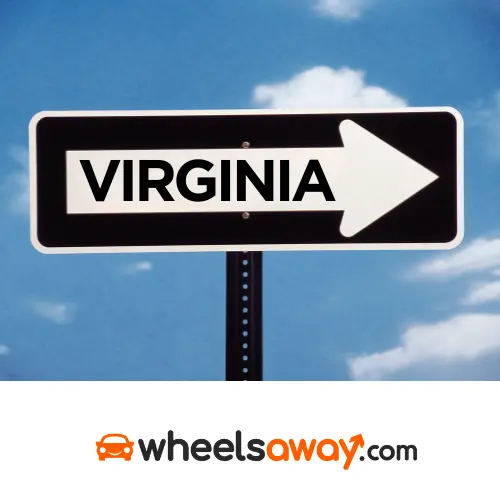
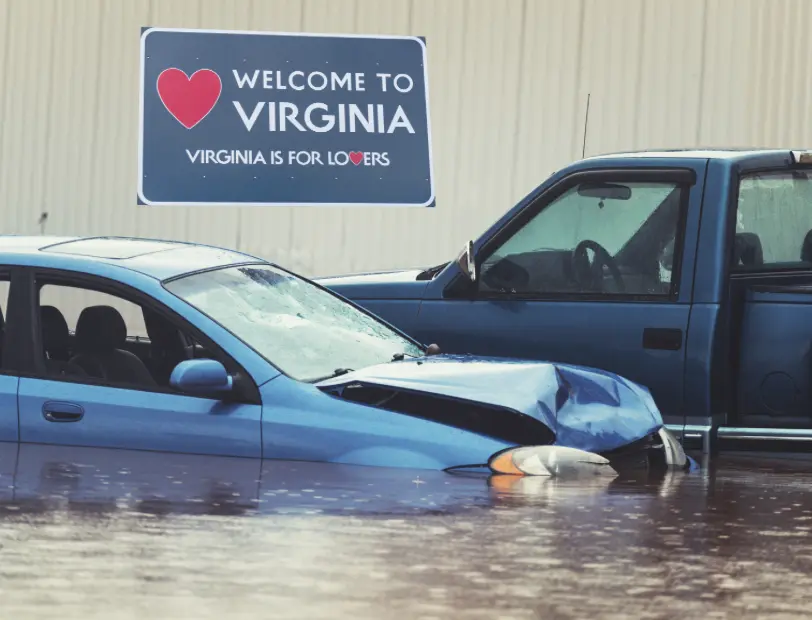
Hampton Roads sees more flood and storm damage than most of the state, and it does affect your offer — water in the electronics, engine, or upholstery lowers what a buyer can salvage, and a flood title (or flood history on a NMVTIS check) will bring the price down further. But a damaged car is still worth scrapping: the metal value doesn’t disappear, and most buyers will still quote flood- or storm-damaged vehicles. It’s worth getting a quote regardless of the damage, rather than assuming the car isn’t worth anything.
To calculate your car’s scrap value, you can:
1. Get quotes from multiple buyers
2. Use a formula to get a rough figure
3. Use a broker to collect tailored valuations on your behalf
Sourcing quotes can be time-consuming and tiresome. That’s why many sellers use brokers to source quotes for them.
Whether you use a broker or sell privately, getting a rough idea of your vehicle’s worth can help you avoid a low offer.
Here’s a quick formula:
Or skip the guesswork and use Wheelsaway’s convenient online scrap car calculator for an instant and accurate scrap car valuation.
Current metal prices will have the biggest impact on your scrap car’s value. The value of these metals, like steel, aluminum, and copper, shifts all the time due to global, domestic, and industry-specific factors.
Your old car will have valuable components like catalytic converters or alloy wheels. Some are more valuable than others due to demand, rarity, and the cost of production. Universally compatible components can fetch you a bigger payout due to their wider resale value. Some of the most valuable include:
Whether you’re salvaging or scrapping, you can expect a higher payout simply because these components are present. That’s why keeping your vehicle intact before you scrap it is highly recommended.
Selling your car for scrap? Remember: scrap metal prices vary constantly, so always check for the most up-to-date values.
Knowing what metals are in your car and what they’re worth can help you yield the biggest return for your old ride. Steel, aluminum, and copper are the most common. Other metals, if found in large quantities and in a reusable condition, could fetch you a higher payout. Here are some of the most common metals, where they’re found, and how much they’re worth per pound.
Note: the prices in this table are approximate and subject to change.
| Metal | Value (per pound, unless otherwise stated) | Common Car Locations |
|---|---|---|
| Platinum, Palladium, Rhodium | High (per ounce) | Catalytic converters |
| Copper | $3.00–$4.22 | Wiring, alternators, starters, radiators |
| Brass | $2.00–$2.30 | Radiators, fittings |
| Aluminum (Scrap prices vary by type – sheet, cast, extrusion, copper unit, wire). | $0.67–$1.81 | Wheels, engine blocks, body panels |
| Stainless Steel | $0.30–$1.35 | Exhaust systems, trim |
| Lead | $0.80–$0.95 | Car batteries |
| Steel (per metric ton) | $620-$900 | Frame, body panels |
At Wheelsaway, we make sure you get the best price for your car – whether it’s being sold for scrap or used parts. Our network of trusted buyers ensures a fair deal for every car based on its exact condition. Don’t accept a low offer; let us help you find buyers who truly value your vehicle.
If your old ride is damaged or near the end of its life, you’ll have two main options for disposal: sell it for salvage or junk it.
Salvaging can sometimes fetch you a higher return, but junking is easier. It depends on the quality and condition of the car.
Salvage: Instead of being thrown away, these cars are taken to salvage yards where usable parts, like engines, transmissions, and electronics, are removed and resold. In some cases, the car is rebuilt and sold on.
This process helps extend the life of quality components, reduce waste, and make affordable used parts available for repairs. Salvage vehicles are often damaged, but not a total write-off.
Junking: Vehicles that are junked are at the end of their life and will be permanently removed from the road. When a car is junked, parts that can be reused are salvaged, fluids are safely drained, and the rest of the vehicle is crushed and recycled – but the majority of it is unusable. The primary goal of junking is safe disposal and recycling.
We’ll help you determine which method can get you the most cash for your old car. Get in touch today!
Junking your car is a win-win for you and the environment. Safe and efficient disposal is required to adhere to guidelines set out and enforced by the Virginia Department of Environmental Quality (DEQ). It also supports the country’s wider commitment to the environment by following the Resource Conservation and Recovery Act and Environmental Protection Agency (EPA) guidelines, and it feeds the circular economy – reuse, repair, remanufacture, and recycle.
Here are just a few of the environmental benefits of junking a car, so you can feel confident and positive about your decision:
Old vehicles contain fluids like oil, coolant, and brake fluid that can leak and pollute soil and water. Licensed U.S. recyclers can safely drain and dispose of these substances, preventing contamination.
Cars contain steel, aluminum, copper, and plastics. Recycling can reclaim these materials and reduce the need to mine and manufacture new materials. Producing parts from recycled metals uses significantly less energy than starting from scratch with raw materials.
Recycling and reusing car parts requires less energy than making new ones, which lowers carbon emissions. Every car that is recycled helps reduce the environmental footprint of auto production – by junking your car, you can play your part!
Many car components can be refurbished and reused, extending their life. This reduces the need to manufacture new parts and keeps materials circulating in the economy rather than going to waste.
Old vehicles are bulky and take up significant space at the landfill. By recycling an old vehicle, you can recover metals, plastics, and other materials, helping to keep most of the old vehicle out of the landfill.
Responsible recycling helps the U.S. meet environmental goals set by the Environmental Protection Agency (EPA) to manage waste, and handle newer technologies like hybrid and electric vehicle batteries safely.
Parting out can yield higher returns, but consider these factors:
For most owners, selling the car as a complete unit to a scrap or salvage service maximizes value while minimizing stress.

Get cash for your car fast with Wheelsaway. Instant offers in Virginia, plus we handle pickup and payment – no hassle, no stress.
Our Virginia junk car FAQ explains how titles, liens and salvage rules work—so you don’t run into surprises. How to junk a car without the title in Virginia – step-by-step guide on paperwork, DMV requirements, and how to get the best cash offer. A guide to junk car prices in Virginia – from valuation factors to environmental impact and the most profitable car components.FAQs

Missing Title
Junk Car Prices