Can You Salvage Parts of Your Car?
|
|
Contents
What’s Actually Worth Salvaging?
How Much More Money Can You Make by Removing Car Parts for Salvage?
What’s the Effort Really Like? DIY Car Part Removal Challenges
Legal, Safety, and Environmental Considerations
Is There a Smarter, Safer Way?
The Bottom Line: Sell Salvage Car or Sell Parts?
Why Choose a Professional Salvage Buyer Like Wheels Away?
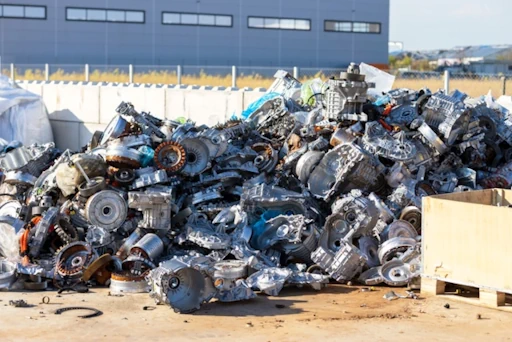
The short answer: yes, you can salvage car parts yourself—and sometimes, you might even make more money than selling your car as a whole. But before you start DIY car part removal, it’s important to weigh the effort, risks, and actual value you might get from removing car parts for salvage.
What’s Actually Worth Salvaging?
Some car parts hold significant value, especially if they’re in good condition. The most sought-after components typically include:
- Catalytic converter
- Engine and transmission
- Alloy wheels and tires (if in good shape)
- Electronics (ECUs, infotainment systems)
- Airbags (where legal to sell)
- Batteries (especially hybrid or EV)
If you’re car-savvy and have the right tools, you could potentially sell some of these parts individually for a higher total than a junkyard might offer for the whole car. However, we do not recommend trying to remove items such as hybrid or EV batteries unless you are qualified to do so and have the correct equipment at your disposal.
How Much More Money Can You Make by Removing Car Parts for Salvage?
While you could earn 20–50% more by selling salvageable car parts individually, especially if selling in demand categories like catalytic converters or transmissions, there are significant trade-offs. Stripping a car and finding buyers can take weeks or months, requires specialist equipment and space, and well-known online auction sites have been known to take a 12–13% cut of each sale. Not every part will sell, and you’ll still need to arrange safe disposal of car parts and the remaining shell. Handling hazardous materials, like fluids or batteries, also comes with legal and environmental risks, as car part recycling laws are strict and vary by state.
What’s the Effort Really Like? DIY Car Part Removal Challenges
If you’re experienced with DIY car part removal and have the space and patience, you might find the process rewarding. But for most people, removing car parts for salvage quickly becomes overwhelming. Photographing, listing, and shipping each item, handling disputes, and dealing with unsold inventory can be a hassle. Disposing of fluids and the stripped body must be done in line with eco-friendly car salvage practices and local regulations.
Legal, Safety, and Environmental Considerations
Car part recycling benefits the environment, but only if done properly. Selling certain components without documentation can be illegal, and improper disposal can harm the environment. Professional salvage service providers and auto salvage professionals are licensed to manage these responsibilities, ensuring compliance with car part recycling laws and minimizing the environmental impact of salvaging cars.
Is There a Smarter, Safer Way?
If you want a smarter, safer way to maximize value, selling your car as a whole to a professional salvage car buyer is almost always the best choice. The more complete your vehicle, the higher the offer from a junk and salvage car buyer, since they deduct value for each missing part. Professional salvage service providers handle everything from junk car removal and paperwork to legal compliance and eco-friendly car salvage. This allows you to get paid quickly and avoid regulatory headaches.
The Bottom Line: Sell Salvage Car or Sell Parts?
While you can sell salvaged car parts yourself and might make more money if you have the skills and time, for most people, the extra effort simply isn’t worth it. Dismantling a car is time-consuming, risky, and often leaves you with unsold parts and potential legal issues. Selling your car whole to a reputable salvage car buyer is faster, safer, and often results in a competitive price – especially if your car is still mostly intact.
Why Choose a Professional Salvage Buyer Like Wheels Away?
At the end of the day, your best-case scenario is to get rid of your unwanted car quickly, safely, and for a fair price. That’s exactly what a professional salvage service offers: hassle-free junk car removal, fast payment, and the confidence that your car will be recycled or reused responsibly. No risky DIY, no legal headaches, and no leftover mess. Ready to move on from your old vehicle? Contact Wheels Away for a fast, friendly quote and let auto salvage professionals handle the rest so you can focus on what matters.
Expert salvaging support
Selling your damaged car for parts? Get expert insights on how to calculate your car’s value and more below.
Salvage a car fast! Get quick cash, the best price, free pickup, and a hassle-free process. Turn your damaged car into cash today!
Learn the true value of your salvage car with Wheels Away. Quick, easy, and hassle-free pricing for your damaged or totaled car.
Expert support at every step
Get expert advice at every step of your junking journey. From junking without a title to inside tips on how to boost your payout, Wheels Away can help!
Cash for junk cars
Get an instant quote for your vehicle and learn how simple the process is with Wheels Away.
Scrap car prices
Discover what factors influence the price of your scrap car and how to maximize your payout.
Junk cars without a title
Trying to sell a junk car without a title? Learn how our team can help take the paperwork admin off your hands.
Junk car removal
We offer FREE removal for all vehicles! Learn more about the process and book your free pickup today.
Wheels Away blog
The latest news from our expert team.